John Rutledge

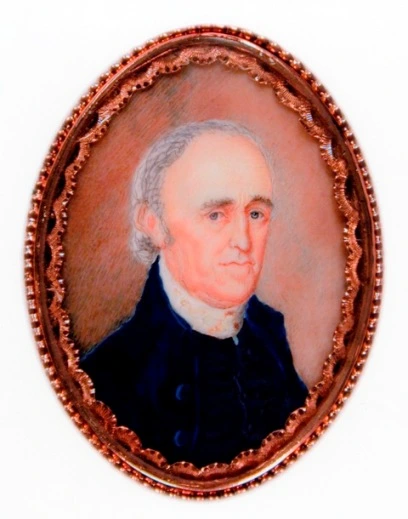
Governor John Rutledge: The “Dictator” of the Republic

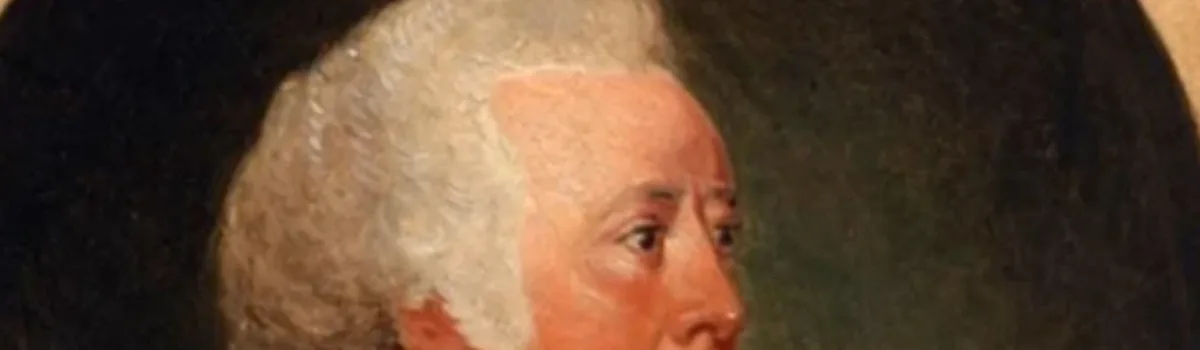
A brilliant lawyer educated at the Middle Temple in London, Rutledge was a conservative revolutionary who prioritized the rule of law even in the midst of chaos. In early 1780, as British forces closed in on Charleston, the General Assembly granted him near-absolute “dictatorial” powers to do whatever was necessary for the public good. He escaped the city just before it surrendered, spending the next two years on the move, narrowly evading British patrols while rebuilding the state’s military and political infrastructure from the backcountry.

Architect of the Partisan Strategy

Rutledge’s greatest contribution was his management of the irregular “People’s War”. He was the one who commissioned leaders like Francis Marion, Thomas Sumter, and William Harden, providing them with the legal authority to fight as state troops rather than mere vigilantes.

However, his relationship with these commanders was often tense. While he relied on their grit, he was a strict disciplinarian who frequently complained about the lack of order in their ranks. He famously wrote to General Nathanael Greene that while William Harden was a “brave Man,” his lack of discipline allowed his men to “do as they please,” leading Rutledge to eventually appoint John Barnwell over him to bring professional structure to the Southern militia.
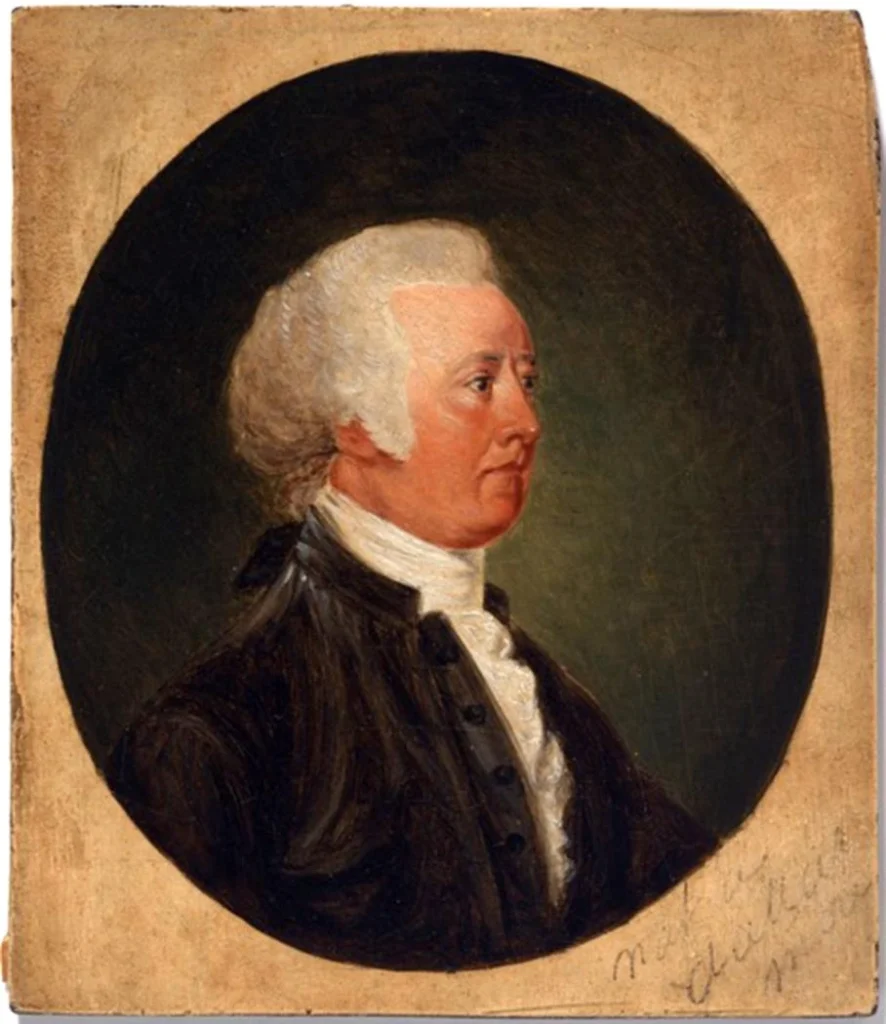
John Rutledge

The Jacksonborough Assembly

In early 1782, while the British still occupied Charleston, Rutledge called for the Jacksonborough Assembly to meet just thirty miles away. This was a masterstroke of political theater and substance; it proved the state government was alive and functioning. Under Rutledge’s guidance, the assembly passed the “Confiscation and Amercement Acts,” punishing Loyalists like Daniel Horry and Nicholas Lechmere while rewarding Patriot service with land and recognition.

Legacy of the “First President”

After the war, Rutledge’s influence went national. He was a delegate to the Constitutional Convention, where he chaired the Committee of Detail that wrote the first draft of the U.S. Constitution. He served as the Chief Justice of the South Carolina Supreme Court and briefly as the Chief Justice of the United States. He died in 1800, remembered as the man whose unwavering administrative hand prevented the total collapse of South Carolina during its darkest hour.
John Talbird

John Talbird: The Targeted Planter

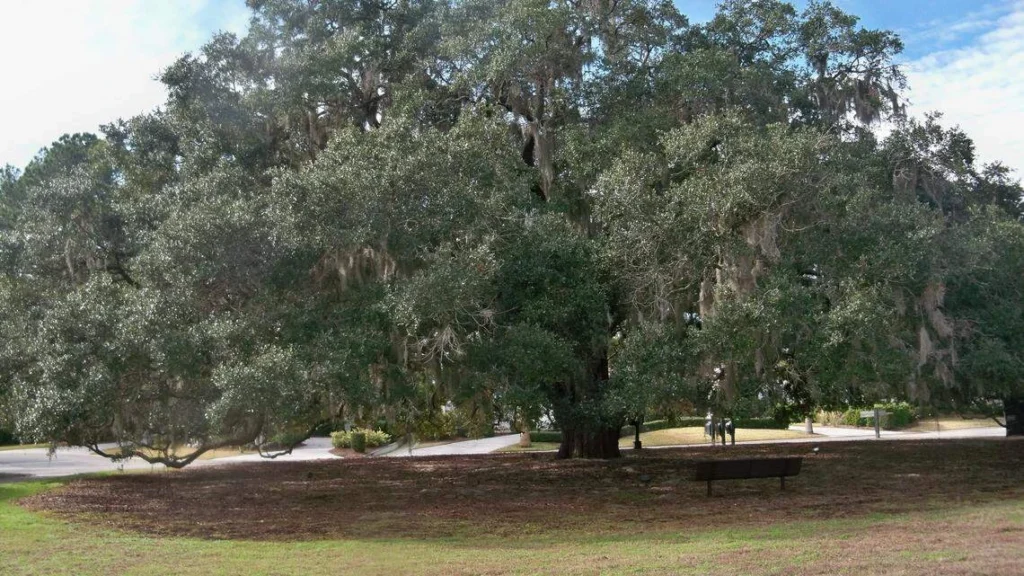
A member of a well-established Hilton Head family, Talbird was an active supporter of the revolutionary cause from the war’s outset. As a landed planter, he provided both material support and leadership to the local militia, making his estate a primary objective for British raiding parties operating out of Savannah and Daufuskie Island.

The Burning of the Talbird Estate

The most significant event in Talbird’s wartime experience occurred during the intensified British coastal raids of 1779 and 1780. Following the British tactical successes in the region, Loyalist units—often led by neighbors like Philip Martinangele—began a systematic campaign to destroy the homes of known Patriot leaders.

Talbird’s plantation home was singled out for destruction. According to local tradition, British-led forces landed on the island and set fire to the Talbird residence, forcing his family to flee. This was not an isolated act of arson but a calculated military move intended to displace Patriot influencers and eliminate potential supply bases for the “Bloody Legion”.

Resistance and Retaliation

The destruction of his home did not drive Talbird into submission; instead, it deepened his commitment to the partisan cause. He remained active in the local militia networks, likely coordinating with John Leacraft and James Doharty to launch the very retaliatory strikes that would eventually result in the deaths of prominent Loyalists like “Tory Dick” Pendarvis.

Legacy on the Island

John Talbird survived the conflict and remained a pillar of the Hilton Head community during the reconstruction of the Beaufort District. His story remains a cornerstone of island history, representing the high personal cost paid by the planter class who refused to take British protection. Today, the “Talbird” name is still recognized across the island, serving as a reminder of the scorched-earth period of the Revolution.

William “Old Danger” Thomson

Colonel William “Old Danger” Thomson: The Frontier Shield

Thomson earned his nickname “Danger” long before the Revolution while serving in the Cherokee War, where his fearlessness in the backcountry became a matter of public record. When the war with Britain began, he was commissioned as Colonel of the 3rd South Carolina Regiment—a unit of specialized “Rangers” who were expert marksmen and horsemen, perfectly suited for the rugged terrain of the Lowcountry and the interior.

William Thomson

The Hero of Breach Inlet

Thomson’s most significant contribution to the early war effort occurred during the Battle of Sullivan’s Island in June 1776. While William Moultrie was defending the fort from the British fleet, Thomson was tasked with the equally critical defense of the island’s northern end at Breach Inlet.

Commanding a mixed force of Rangers, North Carolina regulars, and Catawba scouts, Thomson faced a massive British landing force under Sir Henry Clinton. Despite being heavily outnumbered, Thomson’s men used their superior marksmanship to pick off British soldiers attempting to wade across the inlet. His successful defense prevented the British from outflanking the fort, effectively saving the garrison and securing a major Patriot victory.

Service in the Lowcountry and Georgia

Following his success at Sullivan’s Island, Thomson led his Rangers into the grueling Florida and Georgia expeditions of 1777 and 1778. These operations were designed to secure the southern border of the Beaufort District and harass British outposts in Savannah. Though these campaigns were plagued by disease and supply shortages, Thomson’s Rangers remained one of the few disciplined units capable of operating in the coastal marshes.

During the Siege of Charleston in 1780, Thomson was captured and, like many other high-ranking Patriot officers, endured a period of harsh imprisonment before being paroled. After his exchange, he continued to provide administrative and military support to the partisan networks led by John Rutledge and Francis Marion.

Legacy of “Old Danger”

After the war, Thomson served as a state senator and was a member of the convention that ratified the U.S. Constitution. He died in 1796, leaving a legacy as the man who held the back door to Charleston shut during the war’s first great crisis.

Felix Warley

Major Felix Warley: The Dragoon of the Lowcountry

Warley began his military career as a captain in the 3rd South Carolina Regiment (Thomson’s Rangers), serving directly under William “Old Danger” Thomson. He was present during the pivotal defense of Breach Inlet during the Battle of Sullivan’s Island in 1776, where his unit helped prevent a British flanking maneuver that could have cost the Patriots the city of Charleston.

Cavalry and Guerrilla Tactics

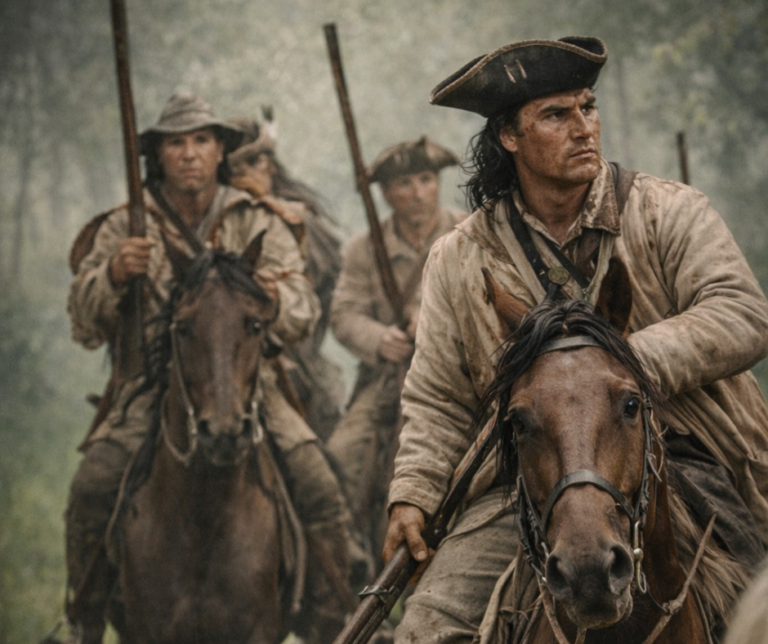
As the war progressed and shifted toward a more mobile, partisan style of combat, Warley moved into leadership roles within the state’s cavalry units. He served as a major in the South Carolina State Dragoons, a force designed for speed, scouting, and sudden strikes.

Warley was heavily involved in the 1779 Savannah Campaign, where his dragoons acted as a screen for the main American army, engaging in constant skirmishes with British patrols. Following the fall of Charleston in 1780, Warley refused to submit to British authority. He became a key figure in the “guerrilla” phase of the war, operating in the Beaufort District and the interior to disrupt British supply lines and gather intelligence for Francis Marion and Nathanael Greene.

Felix Warley

The Skirmishes of the Beaufort District

Warley’s knowledge of the Lowcountry terrain made him a dangerous adversary. He participated in several sharp engagements throughout the Beaufort and Colleton Districts, where his mounted troops could strike British outposts and disappear into the swamps before reinforcements arrived. His ability to maintain a fighting force in the field while the state was technically under “British Protection” helped keep the spirit of resistance alive among the local population.

Legacy of the Professional Partisan

After the war, Warley served the state in a civilian capacity, including a tenure as the Clerk of the State Senate. He was an original member of the Society of the Cincinnati, an organization of former Continental officers. He died in 1814, remembered as a professional soldier who successfully adapted to the brutal realities of partisan warfare to secure the independence of South Carolina.

William Hazzard Wigg

Major William Hazzard Wigg: The Guardian of the Rear Guard

Born into the influential Wigg family of St. Helena Parish, William was a natural leader within the Beaufort District militia. As a cavalry officer, he specialized in the rapid, high-stakes maneuvering required to screen the movements of the larger Patriot army and disrupt British incursions along the coastal causeways.

The Rescue at Coosawhatchie

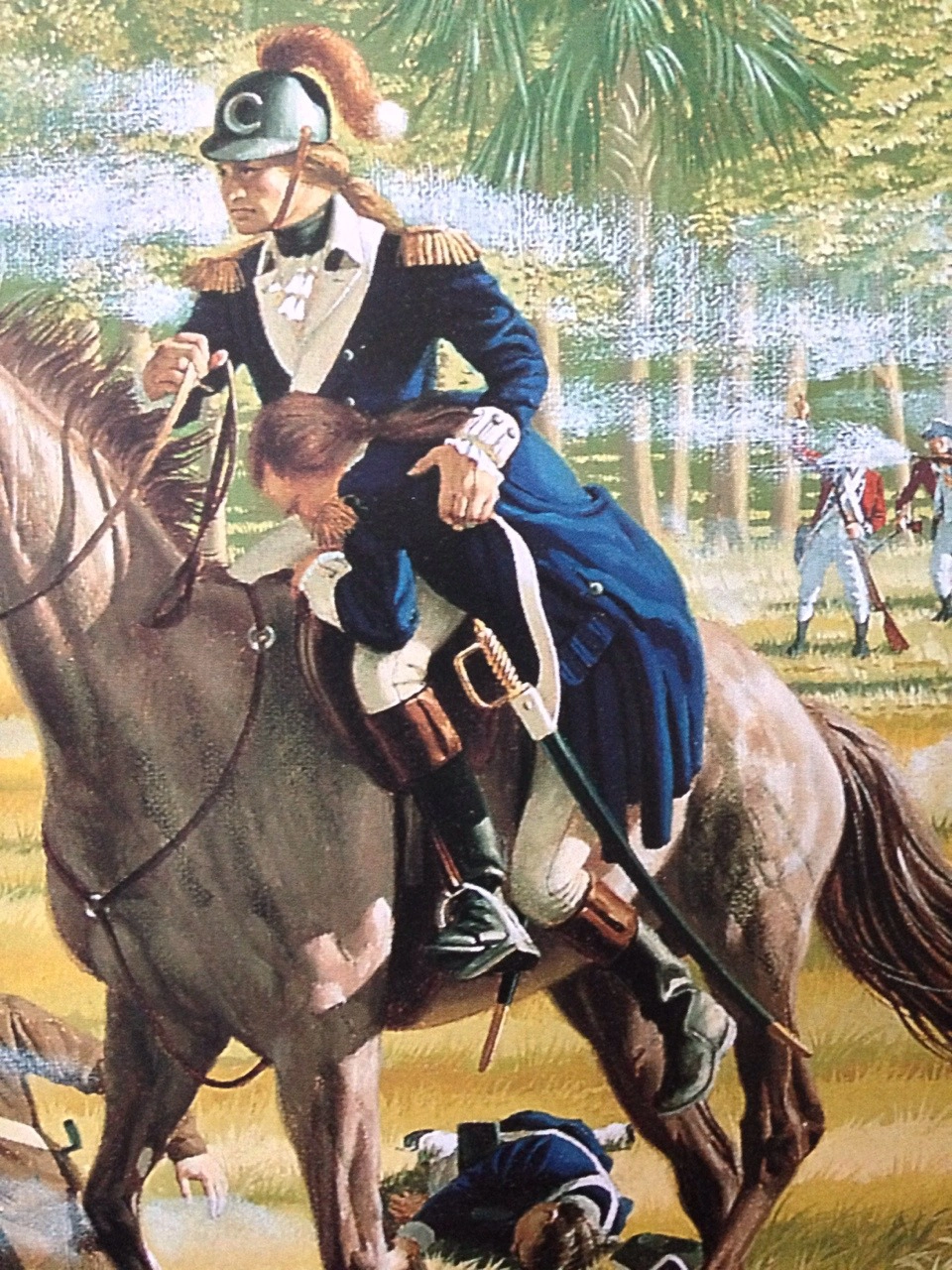
Wigg’s most legendary moment occurred on May 3, 1779, during the Battle of Coosawhatchie. As British General Augustine Prevost’s army advanced toward Charleston, John Laurens was tasked with a rear-guard action to delay them. In the heat of the engagement, Laurens was shot in the arm and his horse was killed, leaving him stranded and vulnerable on the battlefield as the British closed in.

Major Wigg, seeing the peril, charged his horse into the melee. Under heavy fire, he reached the wounded Laurens, pulled him onto his own horse, and galloped to safety. This act of gallantry ensured that Laurens—a vital aide to George Washington—survived to fight another day, though it solidified Wigg’s own reputation as a target for British retaliation.

The Price of Patriotism

Following the fall of Charleston in 1780, Wigg suffered immense personal and financial loss. The British, recognizing his status as a defiant Patriot officer, singled out his property for destruction. His elegant Beaufort home was burned, and he was eventually captured and sent to the prison ship Packhorse. While aboard the prison ship, he was among the officers who signed the famous “Petition of the Packhorse,” a defiant document asserting their rights as prisoners of war even under threat of execution.

Legacy of a Beaufort Hero

After his exchange, Wigg returned to the Beaufort District to help rebuild the war-torn community. He served in the state legislature and remained a highly respected figure in St. Helena Parish until his death in 1798. He is buried in the St. Helena Episcopal Churchyard, where his monument stands as a testament to the man who saved the “Bayard of the Revolution”.