Richard “Tory Dick” Pendarvis

Richard Pendarvis: The Terror of May River

Richard Pendarvis, widely known by the moniker “Tory Dick,” was a wealthy planter and the owner of Montpelier Plantation, located on the May River neck (modern-day Palmetto Bluff). His family was deeply divided; while his uncle Josiah Pendarvis took the name Bedon to distance himself from the Loyalist cause, Richard embraced it with a ferocity that made him one of the most feared men in the Lowcountry.

The Architect of the Partisan Feud

Pendarvis served as a leader in the Loyalist militia, operating in close coordination with the British at Savannah. His primary role was to suppress the “rebel” activity on Hilton Head and the surrounding Sea Islands. He is often linked to the intelligence and coordination behind the most notorious raids in the district, including the actions that led to the deaths of Patriot commanders like James Doharty and Charles Davant.

To the Patriots of the “Bloody Legion,” Pendarvis was more than an enemy soldier; he was a “domestic enemy” who used his local knowledge to hunt his neighbors. His reputation for brutality and his refusal to offer quarter to captured Patriots turned his name into a rallying cry for retribution.
The Execution at Montpelier

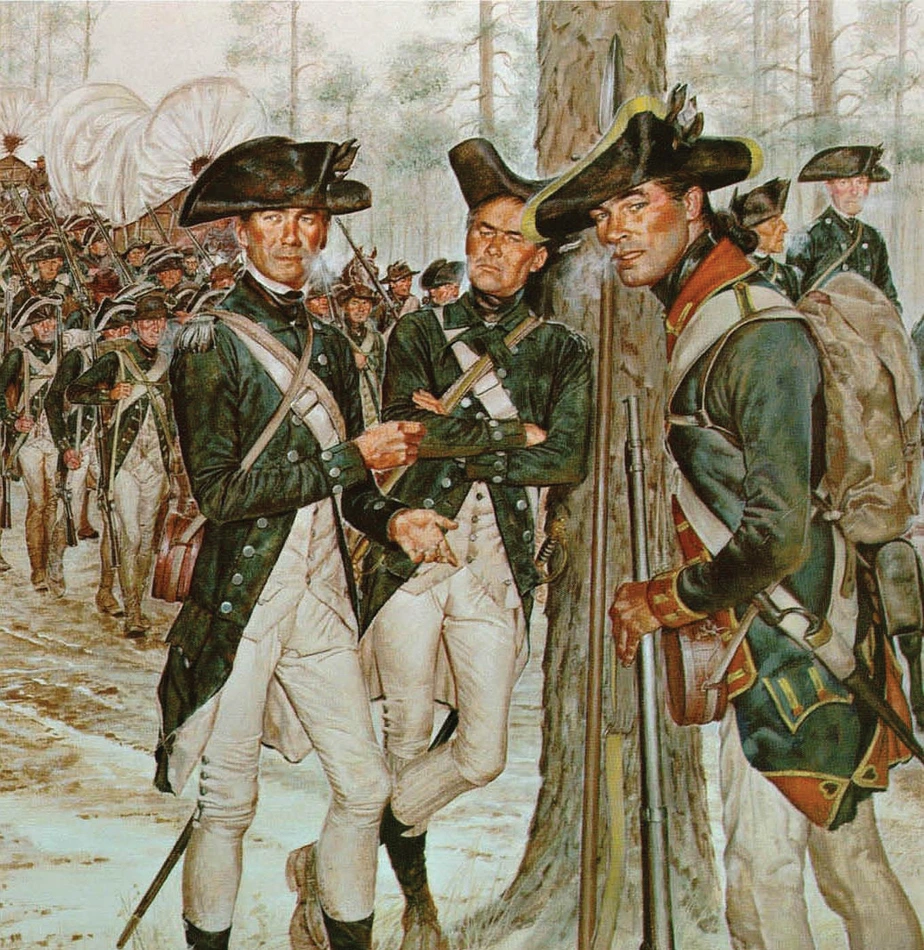
By 1781, the cycle of violence reached its inevitable conclusion. Following the Patriot raid on Daufuskie Island that killed Philip Martinangele, the “Bloody Legion” turned its sights on Pendarvis. In April 1781, a detachment of Patriots, reportedly led by members of the families he had aggrieved, surrounded his home at Montpelier Plantation.

In a swift act of frontier justice, Pendarvis was executed on his own property. Unlike a formal military execution, this was a targeted partisan hit intended to end his influence over the May River district once and for all. His death signaled the total collapse of Loyalist security in the hinterlands of Beaufort.

Legacy of a Divided Land

Richard Pendarvis remains the quintessential “villain” in Hilton Head folklore, a man whose loyalty to the King made him an outcast in his own home. His story illustrates the tragic reality of the Revolution in the South: a war where the front lines were often the front porches of neighbors, and where the only end to the conflict was the total removal of the opposition.

New River

General New River: The Catawba Patriot

New River rose to leadership during a period of immense pressure on the Catawba Nation, which had been decimated by smallpox and encroached upon by settlers. Despite these challenges, he viewed the Patriot cause as a means of securing his people’s future and lands. His title of “General” was a mark of respect bestowed by his South Carolina allies, reflecting his status as a peer to the highest-ranking militia officers.

The Guardian of the Backcountry

Under New River’s command, Catawba warriors served as the “eyes and ears” of the Patriot army. They provided specialized scouting services that were essential in the dense forests and swamps of the Lowcountry and the Piedmont. New River’s warriors were active in the Beaufort District backcountry, where they screened the movements of British regulars and Loyalist raiders, preventing surprise attacks on Patriot supply lines.

His scouts were present at nearly every major engagement in the Carolinas, including the Battle of Hanging Rock and the Battle of Rocky Mount. In these fights, the Catawba were noted for their bravery and their ability to move undetected through terrain that baffled British professional soldiers.

New River

A Nation in Exile

The cost of this loyalty was high. In 1780, British and Loyalist forces invaded the Catawba reservation, burning their villages and forcing New River to lead his people into a difficult exile in Virginia. Even while displaced, New River continued to supply warriors to General Nathanael Greene and Thomas Sumter, ensuring the Catawba remained a fighting force until the British were finally driven from the state.

Legacy of the “First Carolinians”

Following the war, New River returned to the Catawba lands and worked to navigate the complex legal and social landscape of the new United States. His leadership ensured that the Catawba Nation retained its identity and a portion of its ancestral territory during a time of total upheaval. He died in 1804, remembered as a formidable commander who proved that the fight for American independence was a multi-national effort that relied heavily on the expertise and sacrifice of the Catawba people.

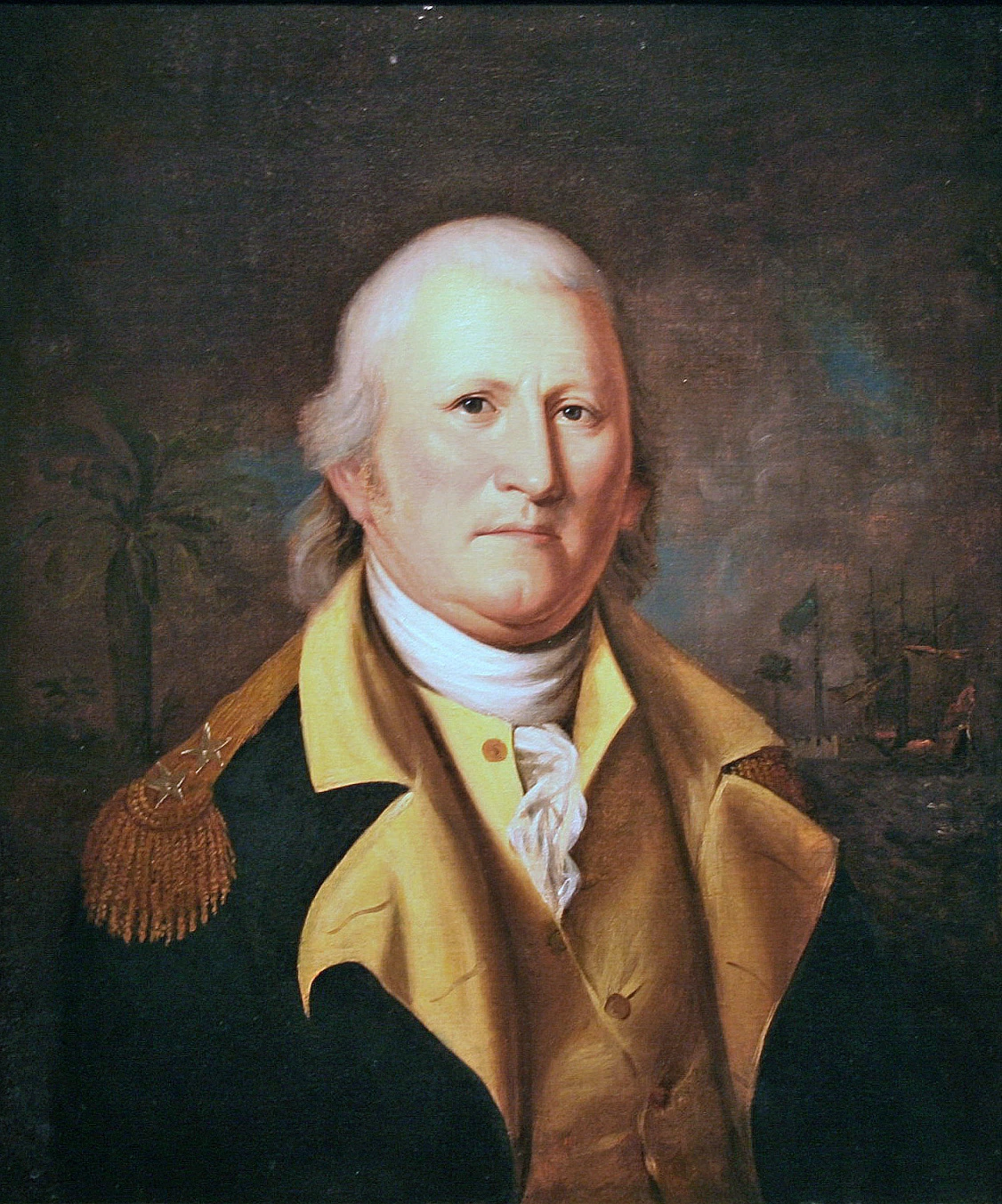
William Moultrie

Major General William Moultrie: The Shield of the Lowcountry

Moultrie was already a living legend by the time the war reached the Beaufort District. In 1776, his ragtag garrison at a half-finished palmetto-log fort on Sullivan’s Island famously repelled a massive British naval fleet. However, his leadership in 1779 was perhaps even more critical, as he was tasked with stopping the British from sweeping up the coast from Savannah.

The Victory at Port Royal Island

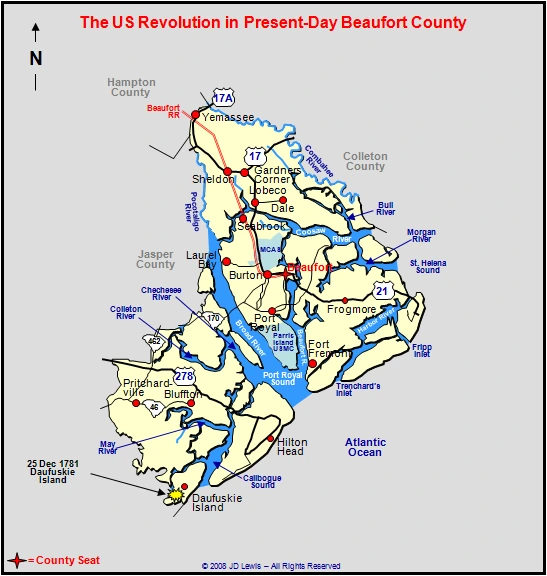
In February 1779, a British force under Major William Gardner landed at Laurel Bay with the intent of seizing the town of Beaufort. Moultrie was dispatched with a force of roughly 300 men, largely composed of the Charleston and Beaufort militias. Among his ranks were two signers of the Declaration of Independence: Thomas Heyward Jr. and Edward Rutledge.

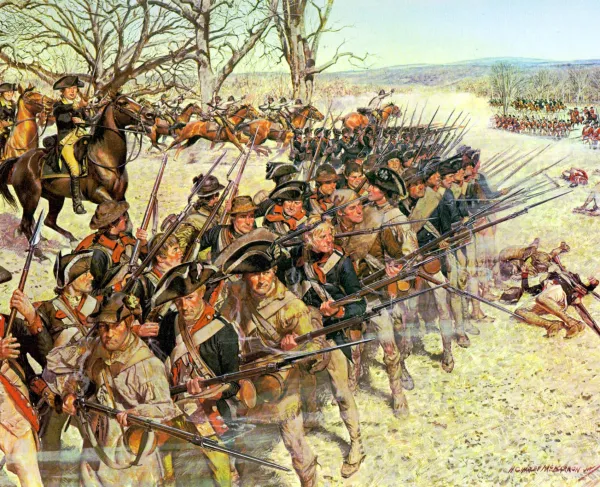
At the Battle of Port Royal Island (Gray’s Hill), Moultrie displayed his trademark composure. When the two forces met in the open field, Moultrie’s militia did not break. He famously directed his artillery—commanded by Heyward—to devastating effect, forcing the British regulars to retreat to their ships. This engagement was a landmark moment: it was one of the first times in the war that American militia defeated British regulars in a conventional, open-field battle.

William Moultrie

Governor and Historian

Moultrie’s service continued through the Siege of Charleston, where he was captured and spent two years as a prisoner of war. After the Revolution, he served two terms as the Governor of South Carolina. Perhaps his greatest gift to history was his two-volume memoir, Memoirs of the American Revolution, which remains one of the primary eyewitness accounts of the war in the South.

Legacy of the “Palmetto” Spirit

William Moultrie’s legacy is etched into the very identity of South Carolina. The “Liberty Flag” he designed—a blue field with a white crescent—evolved into the state flag used today. He was a man of quiet dignity who believed that a defensive, disciplined stand was the key to American survival.

Thomas McCalla

Thomas McCalla: The Captured Patriot

Thomas McCalla was a veteran of the “Snow Campaign” and an early volunteer in the Patriot militia of the Camden District. He served under the command of General Thomas Sumter, participating in the hit-and-run warfare that defined the resistance in the South Carolina Piedmont after the fall of Charleston.

The Battle of Hanging Rock and Captivity

On August 6, 1780, McCalla fought in the Battle of Hanging Rock, a brutal engagement where Sumter’s force of backcountry partisans nearly destroyed a British and Loyalist garrison. During the chaotic retreat following the battle, or shortly thereafter in a skirmish, McCalla was captured by British forces.

Because he was a local “rebel” and not a Continental regular, McCalla faced a grim fate. He was marched to the British stronghold at Camden and eventually sent to the notorious prison ships and jails in Charleston. In the sweltering heat of 1780, many Patriot prisoners succumbed to disease and starvation, and for months, Thomas was feared dead by his family.

The Ride of Mary McCalla

The turning point in Thomas’s life came from his wife’s sheer defiance. Learning that her husband was alive but languishing in a Charleston prison, Mary Adair McCalla set out alone on horseback from their home in Chester. She navigated over 150 miles of territory infested with Loyalist raiders and British patrols.

Mary managed to reach the British authorities in Charleston, where she reportedly used a combination of persistence, social grace, and perhaps a few well-placed family connections to plead for her husband’s release. Her efforts were successful: she secured a parole or exchange for Thomas, personally escorting the weakened militiaman back to their home.

Francis Marion

Brigadier General Francis Marion: The Swamp Fox

Marion was a veteran of the French and Indian War, where he learned the “Indian method” of concealment and ambush—tactics he would later perfect against the British. After the fall of Charleston in 1780, while other Continental officers were captured or fled, Marion retreated into the Pee Dee and Santee River swamps to organize a resistance. His force, “Marion’s Brigade,” was a diverse group of volunteer farmers, hunters, and professional soldiers who served without pay or reliable supplies.

Francis Marion

The Architect of the Partisan Network

Marion’s brilliance lay in his ability to coordinate a vast network of smaller commands. He provided the strategic oversight and inspiration for leaders like Colonel William Harden, who operated in the Beaufort District. By keeping his main force hidden and striking only when the odds were in his favor, Marion forced the British to divert thousands of troops away from the front lines to guard supply wagons and outposts that were never truly safe.

The Battle of Fair Lawn and the End of the War

Even as the war reached its conclusion, Marion remained active. On August 29, 1782, he fought his final engagement at Fair Lawn, where he successfully defeated a Loyalist force commanded by Major Thomas Fraser. This victory ensured that the British remained pinned inside Charleston until their final evacuation. Unlike some partisan leaders who sought vengeance, Marion was known for his relatively humane treatment of prisoners and his push for civil reconciliation once the fighting stopped.

Legacy of the Lowcountry Hero

Francis Marion’s legacy is woven into the geography of South Carolina. His ability to “disappear” into the landscape made him a legend in his own time and a nightmare for the British high command. He is remembered today not just as a soldier, but as the man who proved that a dedicated, local force could defeat a global superpower through persistence and superior knowledge of their own land.

Philip Martinangele Jr.

Captain Philip Martinangele Jr.: The Loyalist of the Sound

The Martinangele family were prominent landowners on Daufuskie Island, immediately adjacent to Hilton Head. Their deep local roots and geographic isolation made them formidable players in the conflict. Philip Martinangele Jr. was not an ideological figure from London; he was a local man who made a committed choice for the King and organized his community to defend it.

Raids and Retaliation on Hilton Head Island

Operating from their base on Daufuskie Island, the Daufuskie Royal Militia were masters of waterborne warfare, utilizing the intricate creeks and sounds to their advantage. They were a constant threat to the Patriot families on Hilton Head, conducting nocturnal raids that targetted strategic plantations, supply depots, and Patriot leadership. Historical traditions strongly link Martinangele to the ambush at the Davant family plantation. This 1781 raid, which resulted in the death of Charles Davant and the wounding of his brother, James, was not viewed as a simple military engagement; it was perceived by the Patriot community as a targeted assassination, shattering any remnants of neighborly behavior and igniting a blood feud.

Philip Martinangele Jr.

The Climax: The Raid of the Bloody Legion

Martinangele’s success made him a prioritized target for the Hilton Head-based “Bloody Legion,” commanded by Captain John Leacraft. The death of Charles Davant had created a fierce demand for justice that only the blood of the opposing commander could satisfy.

On December 23, 1781, Leacraft led a strike team—which included Davant’s own vengeful brother, James Davant—across the Calibogue Sound. Under the cover of total darkness, they infiltrated Daufuskie Island and surrounded Philip Martinangele’s home. The subsequent action was swift and merciless: the Patriotsexecuted Captain Martinangele, effectively decapitating the Loyalist military leadership on the island. Following the execution, they burned the Martinangele plantation to the ground before rowing back across the sound.

Legacy of the “Partisan Civil War”

The death of Philip Martinangele marks the grim apex of the civil war on the Sea Islands. His execution was a direct response to the violence he had orchestrated, showcasing the relentless, cyclical nature of the conflict. Today, he stands as a symbol of the complex, intimate loyalties of the Revolutionary Lowcountry, illustrating that the lines of battle often ran directly through families and communities, turning neighbors into lethal adversaries.

Nicholas Lechmere

Colonel Nicholas Lechmere: The Crown’s Collector

Before the first shots of the Revolution, Nicholas Lechmere was a pillar of the British establishment in Beaufort, serving as the Royal Customs Collector for the port. His social standing was further solidified through his marriage into the prominent DeVeaux family, tying his personal fortunes to the local aristocracy. When the revolutionary government demanded an oath of allegiance to the new state in 1777, Lechmere was among the few who initially chose exile, placing a public notice of his departure in the South Carolina Gazette.

john lechmere

The Return and the Royal Foresters

Lechmere’s exile was temporary. Following the British capture of Savannah and Charleston, he returned to the Beaufort District not as a customs official, but as a soldier. Commissioned as an officer in the Royal Foresters, a Loyalist regiment authorized by Lord Cornwallis, Lechmere was tasked with maintaining order and securing the countryside. His command was a “peacekeeping” force in name, but in practice, it was a vital arm of the British occupation, responsible for patrolling the roads and suppressing Patriot “gangs” and rangers.

The Capture at Fort Balfour

Lechmere’s military career came to a sudden and embarrassing halt in April 1781. He was stationed at Fort Balfour, the primary British stronghold guarding the Pocotaligo River crossing. While the fort was well-garrisoned, Lechmere and his fellow officer, Thomas Fenwick, were caught off-guard. While visiting a field hospital outside the fort’s protective walls, they were ambushed and captured by a detachment of Colonel William Harden’s Patriot rangers.

His capture was a catastrophe for the British. Left without their senior leadership, the garrison at Fort Balfour became paralyzed by indecision. When Harden demanded a surrender, the Loyalist troops—some of whom already harbored secret Patriot sympathies—mutinied and forced the fort’s capitulation without a shot being fired.

Legacy of the “Displaced Official”

Following the war, Lechmere’s property was subject to the confiscation acts of the new Patriot government. Unlike his kinsman Andrew DeVeaux, who led a daring expedition to the Bahamas, Lechmere’s post-war life was marked by the quiet struggle of an official whose world had vanished. He eventually left South Carolina permanently, a symbol of the high-ranking Loyalists who lost everything in the struggle to keep the Lowcountry under the British flag.

John Leacraft

Captain John Leacraft: Commander of the Bloody Legion

John Leacraft was a prominent Hilton Head Island Patriot whose service was defined by the brutal, “eye-for-an-eye” nature of the Lowcountry’s partisan war. A nephew of the commander James Doharty, Leacraft was deeply embedded in the kinship networks that fueled the island’s resistance. While formal Continental officers fought for territory and ideology, Leacraft fought for the survival and the honor of the island’s Patriot families.

John Leacraft

The Rise of the “Bloody Legion”

Following the British occupation of the Lowcountry in 1780, Leacraft organized the Hilton Head militia into a specialized partisan unit. Operating out of the dense maritime forests and hidden tidal creeks like Broad Creek, his men became experts in waterborne ambushes and midnight raids. The unit earned the moniker “Bloody Legion” not just for their effectiveness in combat, but for their uncompromising stance toward local Loyalists who betrayed their neighbors to the British.

Retaliation and the Daufuskie Raid

The defining moment of Leacraft’s command came in late 1781 following the murders of his uncle, James Doharty, and his comrade, Charles Davant. These assassinations by Loyalist raiders from Daufuskie Island triggered a pursuit led by Leacraft that would become legendary in Hilton Head history.

On December 23, 1781, Leacraft led a strike team of the “Bloody Legion”—including Charles Davant’s brother, James—across the Calibogue Sound. Under the cover of darkness, they infiltrated Daufuskie Island and executed the Loyalist leader Captain Philip Martinangele in his own home. This act of grim symmetry served its purpose: it decapitated the Loyalist leadership in the district and sent a clear message that Patriot blood would be answered in kind.

The Guardian of the Sound

Throughout the final years of the war, Leacraft remained the primary obstacle to British and Loyalist control of the Hilton Head waters. His unit continued to harass British supply lines and protect the island’s plantations until the British finally evacuated Charleston in 1782. John Leacraft died a local hero, remembered as the man who turned a group of farmers and sailors into a force so formidable that the enemy eventually feared to set foot on Hilton Head’s shores.

John Laurens

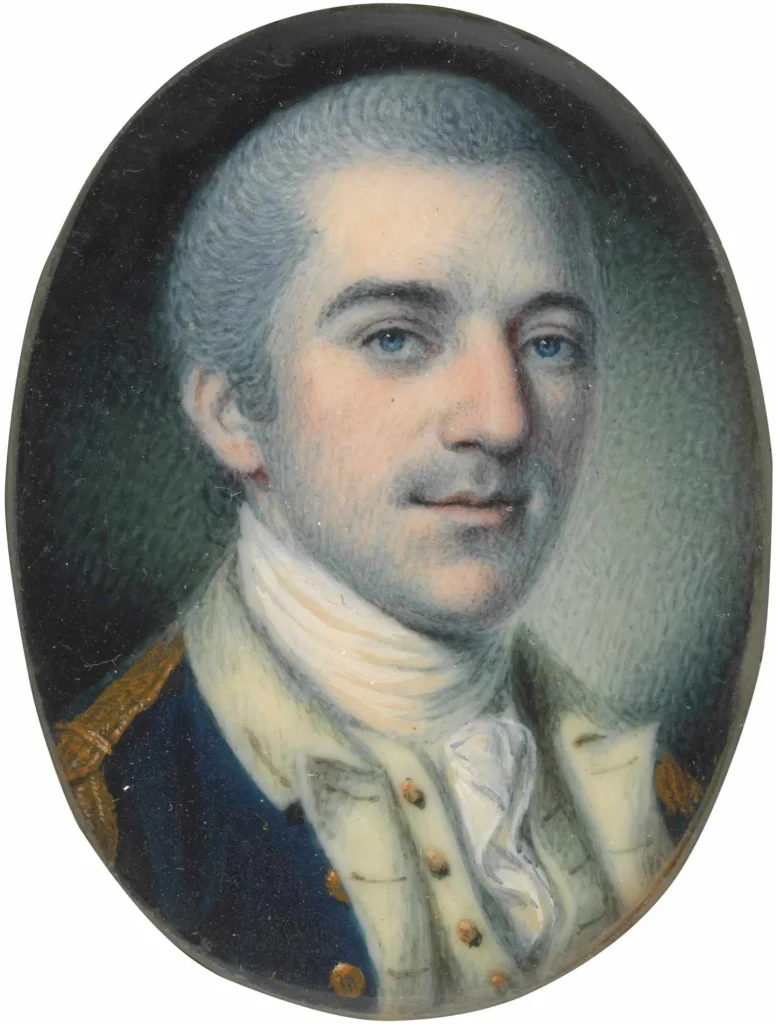
Colonel John Laurens: The Reckless Idealist

Educated in Geneva and London, Laurens returned to South Carolina with a radical vision for the Revolution: he believed that the fight for liberty should include the emancipation of enslaved people. Throughout the war, he persistently lobbied the Continental Congress and the South Carolina legislature to allow him to raise a regiment of Black soldiers, promising them freedom in exchange for their service—a proposal that was repeatedly rejected by the Lowcountry elite.

John Laurens

The Stand at Coosawhatchie

In May 1779, Laurens played a pivotal role in the defense of the Beaufort District during British General Augustine Prevost’s invasion. At the Battle of Coosawhatchie, Laurens was tasked with leading a rear-guard action to delay the British advance toward Charleston. In a display of his characteristic—and sometimes criticized—recklessness, he chose to cross the river and engage the British head-on rather than maintaining a defensive position on the high ground. He was severely wounded in the arm during the melee and had to be pulled from the field by his men, but his defiance bought the Patriot army precious time to reinforce the capital.

A Life Given for a Fading War

Laurens’ service spanned nearly every major theater of the war. He served as an aide-de-camp to George Washington, fought at Brandywine and Monmouth, and was a key negotiator for the British surrender at Yorktown. Despite the victory at Yorktown, Laurens returned to the Lowcountry to continue the fight against remaining British outposts. On August 27, 1782—just months before the British evacuated Charleston—Laurens was killed in a small, unnecessary skirmish at the Battle of the Combahee River.

Legacy of the “Lost Reformer”

John Laurens’ death at the age of 27 was mourned by George Washington and Alexander Hamilton as the loss of one of the nation’s brightest lights. He was a man who lived and died by the sword, driven by a vision of an America that extended the promise of freedom to all its inhabitants. Today, his sacrifice is remembered as the tragic end of a brilliant career that might have fundamentally altered the course of South Carolina’s social history.

Joseph Kershaw

Colonel Joseph Kershaw: The Architect of Camden

Joseph Kershaw (c. 1727–1791) arrived in South Carolina from Yorkshire, England, before 1748, bringing with him an iron will and a sharp mind for commerce. He settled at a site known as Pine Tree Hill, which he systematically developed into the town of Camden. Through his firm, Kershaw and Company, he built flour mills, sawmills, and the region’s most prominent store, effectively creating the commercial and industrial heart of the Wateree River region.

From Immigrant to Patriot Leader

Despite his English roots, Kershaw became a fervent advocate for American independence. He represented the interior districts in the South Carolina Provincial Congress and the Commons House of Assembly, where he was instrumental in the political maneuvers that led the colony toward open rebellion. When the war turned into a military struggle, Kershaw stepped into command as a Colonel in the South Carolina militia, organizing local defenses and leveraging his vast mercantile network to supply Patriot forces.

Captivity and the Kershaw-Cornwallis House

The Fall of Charleston in 1780 brought the war directly to Kershaw’s doorstep. Following the American defeat at the Battle of Camden in August 1780, Kershaw was captured by British forces. In a move of calculated irony, the British seized his elegant mansion—now famously known as the Kershaw-Cornwallis House—and turned it into their primary headquarters for the Southern Campaign.

While Lord Cornwallis directed the conquest of the Carolinas from Kershaw’s own parlors, Kershaw himself was sent into a harsh exile. He was imprisoned in Bermuda and later Barbados, enduring years of captivity far from the town he had built.

Legacy of the “Father of Camden”

Kershaw finally returned to South Carolina after the war, finding his business empire in ruins and his health declined. He spent his final years working to restore Camden’s prosperity and re-establishing the civic institutions he had championed. He died in 1791, recognized as the man who turned a wilderness outpost into a strategic center of the South and sacrificed his personal fortune for the birth of the state.