John Joyner

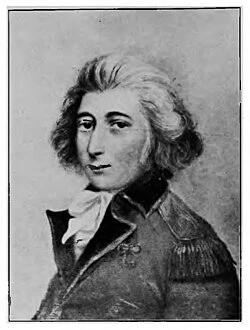
Commodore John Joyner: The Admiral of the Lowcountry

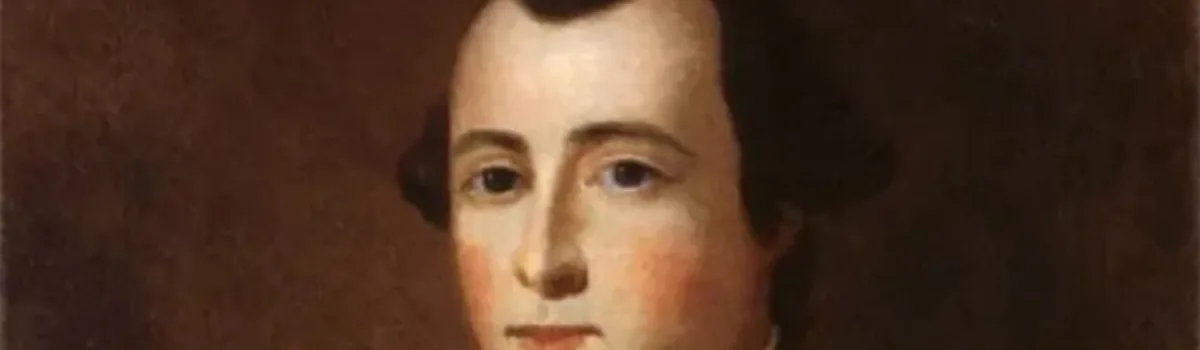
Originally from Gloucestershire, England, Joyner began his colonial career patrolling the waterways of Georgia and South Carolina as a commander of scout boats. By the mid-1750s, he had settled in Beaufort, establishing himself as an indigo planter and a pillar of the St. Helena Parish community. When the Revolution broke out, Joyner immediately put his maritime expertise to work for the Patriot cause, participating in the conflict’s very first naval actions in the South.
The Great Gunpowder Heist

In July 1775, Joyner—alongside Captain John Barnwell—commanded two armed barges from Beaufort to intercept the British supply ship Philippa off Tybee Island. In a daring joint operation with Georgia Patriots, they seized the vessel and its cargo of 16,000 pounds of gunpowder. This critical supply was divided between the southern colonies, with a portion famously sent north to aid George Washington’s Continental Army in the Siege of Boston. This early victory not only armed the rebellion but solidified Joyner’s reputation as a bold naval strategist.

Command of the Frigate South Carolina

As the war progressed, Joyner accompanied Commodore Alexander Gillon to Europe to acquire heavy warships for the state’s defense. He served as the second-in-command of the Frigate South Carolina, the largest and most heavily armed vessel of its kind in the American service. After Gillon was removed from command in 1782 due to legal and financial disputes, Joyner was given full command of the ship.

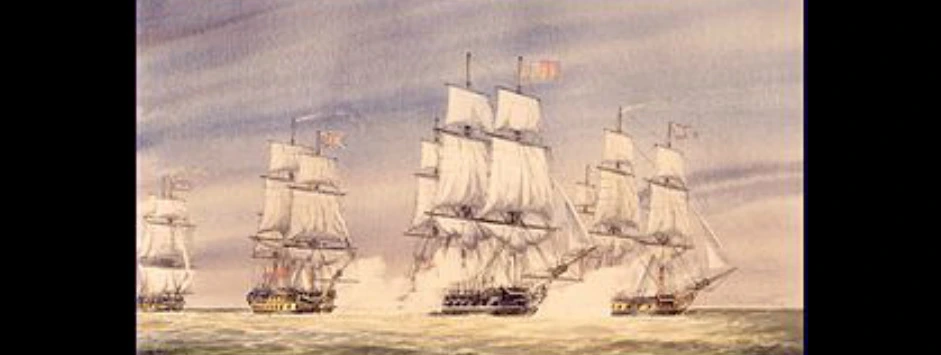
In the spring of 1782, Joyner led the South Carolina as part of a joint Spanish-American expedition that successfully recaptured the Bahamas from the British. However, the ship’s luck ran out in December 1782. While attempting to escape the Delaware Capes with an inexperienced crew, Joyner was intercepted by three British warships. After an 18-hour chase and a fierce two-hour bombardment, he was forced to strike his colors. He was taken as a prisoner to New York but was honorably acquitted by a South Carolina court of inquiry after the war, which recognized the impossible odds he had faced.

Post-War Legacy

Joyner returned to Beaufort as a celebrated local hero. In 1785, he purchased the land surrounding the abandoned Fort Frederick, transitioning into a successful cotton planter. He died in 1796 at the age of 77 and was buried in Beaufort, leaving behind a legacy as the man who secured the powder for the Revolution’s start and commanded its greatest ship at its end.

Daniel Horry

Colonel Daniel Horry: The Disillusioned Commander

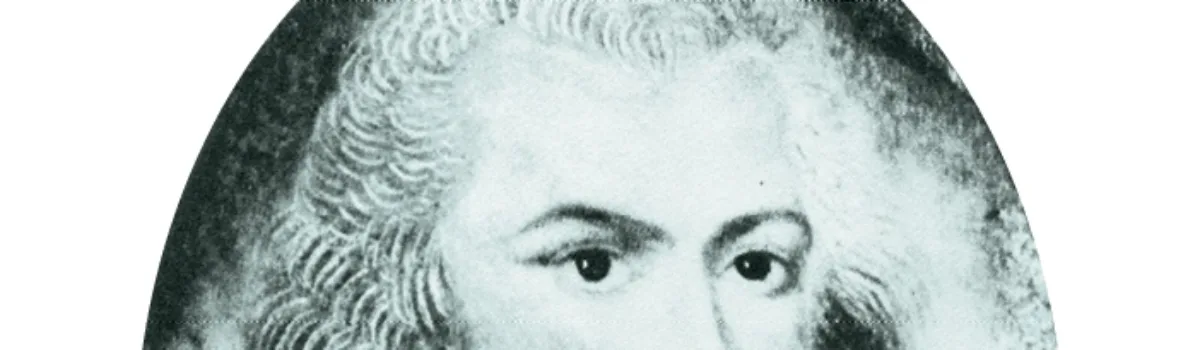
Daniel Horry was born into a prominent French Huguenot family and resided at the magnificent Hampton Plantation on the Santee River. His marriage to Harriott Pinckney—daughter of Eliza Lucas Pinckney—tied him directly to the most powerful political dynasties of South Carolina. Unlike his cousins Peter and Hugh Horry, who became legendary partisans under Francis Marion, Daniel’s path was marked by the high-stakes responsibility of formal command and the crushing weight of the British occupation.

The Knight of the State Dragoons

In February 1779, Horry was appointed the first and only Colonel of the South Carolina Light Dragoons, an elite state cavalry unit. He led these troops through the most significant early actions of the Southern theater, including the Siege of Savannah and the Battle of Stono Ferry. It was during these operations in the Beaufort and Colleton Districts that Horry became increasingly vocal and critical of the local militia’s effectiveness.

Stationed near the burnt remains of the Old Sheldon Church, Horry’s dragoons acted as the “eyes and ears” for the Patriot army, screening river passages and interrogating British prisoners. However, his correspondence from this period reveals a deep frustration with the “unreliable” nature of the Beaufort District militia. He often lamented their lack of discipline and their tendency to desert to protect their own plantations—a sentiment that placed him at odds with local leaders like William Harden.

The Fall and the “Protection”

The turning point for Horry came with the Fall of Charleston in May 1780. Faced with the total occupation of the Lowcountry and the potential seizure of his vast estates, Horry made the agonizing choice to take British Protection. To the “Bloody Legion” and the hardened partisans in the swamps, this was viewed as an act of ultimate betrayal. In 1781, while the war still raged, he even took his young son to London to be educated, further distancing himself from the Patriot cause.

An Uneasy Reconciliation

Horry returned to South Carolina after the British evacuation in 1782. Unlike those who were permanently exiled, Horry was allowed to remain, though not without penalty. His estate was amerced twelve percent of its total value by the Jacksonborough Assembly as a punishment for his lapse in loyalty. He spent his final years at Hampton Plantation, a figure of a bygone era whose military career had been cut short by the very “prudence” that saved his fortune.

Thomas Heyward Jr.

Thomas Heyward Jr.: The Soldier-Signer

Thomas Heyward Jr. (1746–1809) was one of the few men in history to pair the stroke of a pen on the Declaration of Independence with the command of a battery in the field. Born at Old St. Luke’s Parish in the Beaufort District, he was the son of one of the wealthiest planters in the colony. After studying law in London, Heyward returned to South Carolina, where his burgeoning legal career was quickly eclipsed by the call for revolution. He was elected to the Continental Congress and, at just thirty years old, immortalized his name by signing the Declaration in 1776.

Combat and Capture at Port Royal Island

Heyward was not content to remain in Philadelphia while his home district was under threat. He returned to South Carolina and took up a commission as a Captain in the Charleston Battalion of Artillery. His most significant military contribution occurred on February 3, 1779, at the Battle of Port Royal Island (Gray’s Hill). Fighting alongside fellow signer Edward Rutledge and General William Moultrie, Heyward commanded the artillery that proved decisive in forcing the British regulars to retreat. During the heat of the engagement, he was wounded in the leg, but his presence on the field provided an immense morale boost to the local militia.

The Price of Rebellion

The British viewed Heyward with particular disdain due to his status as a “Signer.” When Charleston fell in May 1780, Heyward was captured and subsequently sent to the grim military prison at St. Augustine, Florida. While he was in captivity, the British took their revenge on his property. His elegant White Hall Plantation in the Beaufort District was systematically plundered and burned to the ground by British raiding parties. His wife, Elizabeth, reportedly died in Philadelphia during his imprisonment, adding a profound personal tragedy to his financial ruin.

Legacy of the Jurist-Patriot

Following his exchange in 1781, Heyward returned to South Carolina to help rebuild the state’s legal and political infrastructure. He served as a judge and was a key member of the Jacksonborough Assembly in 1782, helping to navigate the complex legalities of post-war confiscation and reconciliation. Though he eventually retired to a new home at White Hall to rebuild his life as a planter, he remained a living symbol of the “Soldier-Signer”—a man who proved that the pursuit of liberty required the sacrifice of both fortune and blood.

Isaac Hayne

Colonel Isaac Hayne: The Martyr of South Carolina

Isaac Hayne (1745–1781) was a wealthy and influential planter from the Colleton District, known for his ironworks and his leadership within the local militia. Like many others, Hayne was captured during the Fall of Charleston in 1780 and was eventually forced to sign a declaration of allegiance to the British Crown to remain with his family during a smallpox epidemic that was ravaging his household. This “forced parole” would later become the central point of a tragic legal dispute that ended his life.

ExecutionOfIsaacHayne

The Return to Arms and Capture

Believing that the British had failed to provide the protection promised in his parole agreement, and seeing the renewed Patriot momentum under General Nathanael Greene, Hayne returned to active duty in 1781. He was commissioned as a Colonel and led a daring raid that captured the turncoat Andrew Williamson just outside of Charleston.

However, his success was short-lived. During a pursuit by British cavalry, Hayne was captured. Because he had previously signed an oath of loyalty, the British command—led by Lord Rawdon and Nesbit Balfour—viewed him not as a prisoner of war, but as a traitor to the King.

An Execution that Ignited a Colony

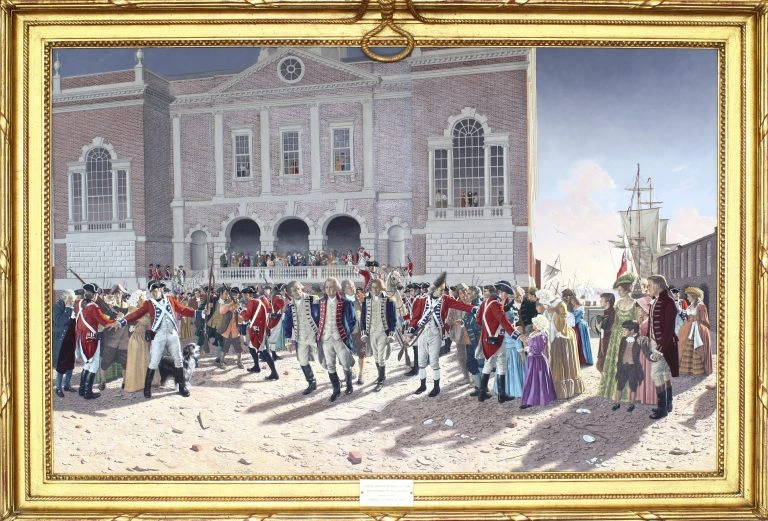
In a move intended to terrify other “paroled” Patriots back into submission, the British denied Hayne a military trial and sentenced him to death by hanging. On August 4, 1781, Hayne was marched to the gallows in Charleston. His calm and dignified demeanor in the face of death moved even the British soldiers present.

The plan to intimidate the population backfired spectacularly. Instead of fear, the execution sparked an explosion of outrage across the colonies. General Nathanael Greene threatened a policy of retaliation against British officers, and the “Hayne Case” became a rallying cry for Patriot forces from the Beaufort District to Philadelphia. The execution proved to the people of the Lowcountry that British “protection” was a thin veil for tyranny, driving hundreds of wavering citizens back into the Patriot fold.

Legacy of Sacrifice

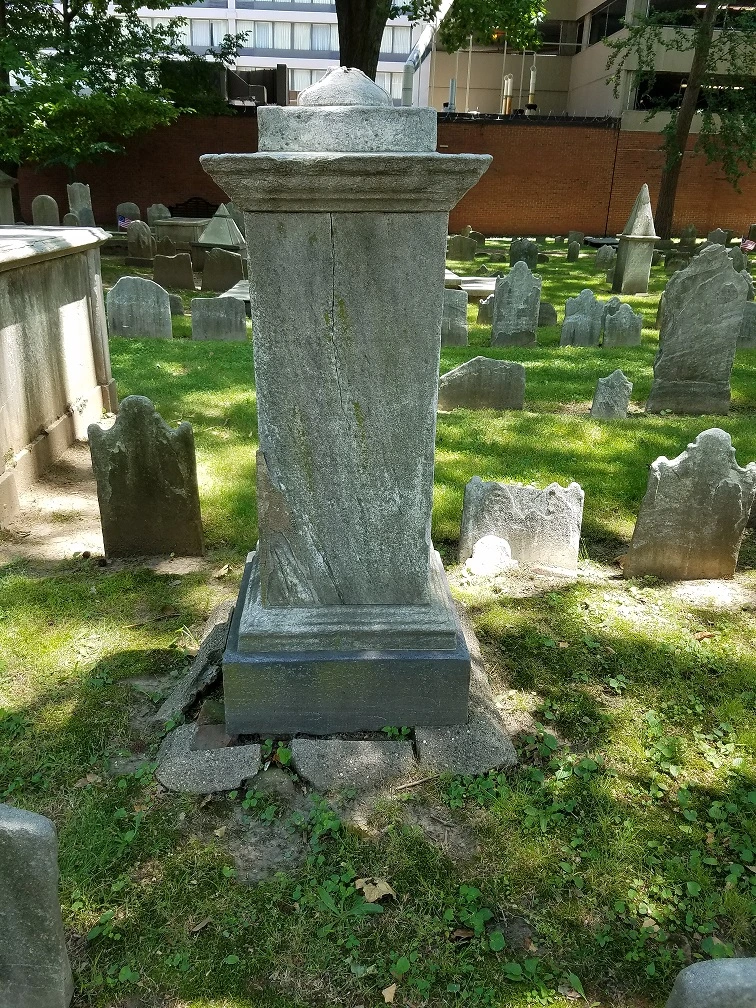
Isaac Hayne’s death ensured that the British could never truly “win” the political war for South Carolina. He became a symbol of the impossible choices faced by Southern planters and a martyr whose name was invoked in every skirmish that followed. Today, his burial site in Jacksonboro stands as a quiet monument to a man whose execution became the catalyst for the final liberation of the state.

William Harden

Colonel William Harden: The Ranger of the Lowcountry

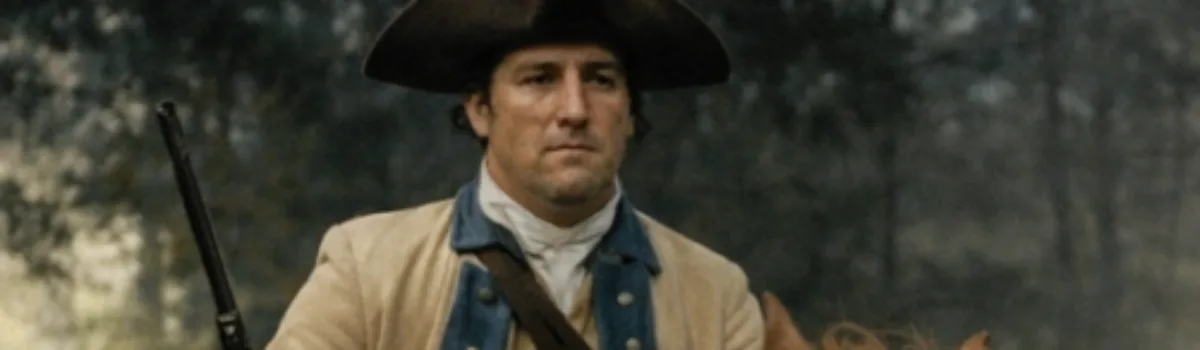
William Harden (1743–1785) was the defining partisan leader of the southern Lowcountry, emerging from the “swamps and sandy woods” of the Beaufort District to lead one of the most effective irregular commands in the Revolutionary War. While less famous than Francis Marion, Harden was the primary force that kept the Patriot cause alive in the strategically vital territory between the Savannah and Combahee Rivers during the darkest years of British occupation.

william harden

The Rise of “Harden’s Rangers”

In the wake of Charleston’s fall in 1780, Harden initially refused to take a British loyalty oath and went into hiding. By late summer, he emerged as a guerrilla commander, commissioned by Governor John Rutledge to lead a mobile force of “mounted militia” drawn from the plantations and pine forests of modern-day Jasper, Hampton, and Beaufort Counties. His unit, known as Harden’s Rangers, relied on hit-and-run tactics and an intimate knowledge of the tidal creeks and dense swamps to harass British rear areas while avoiding direct confrontation with superior forces.

The Strategic Victory at Fort Balfour

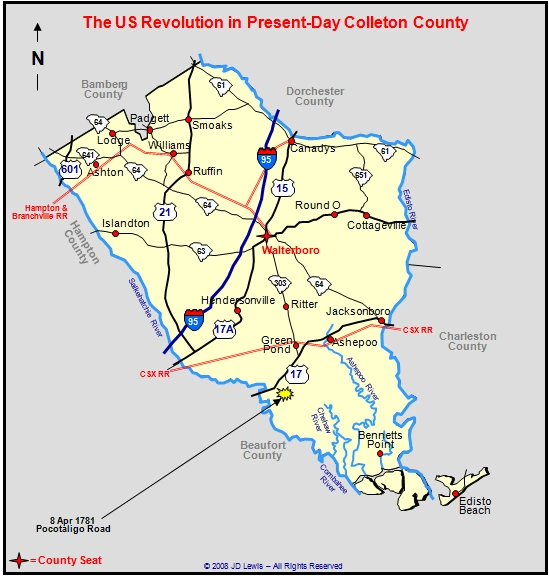
Harden’s most celebrated achievement occurred in March 1781 at Fort Balfour in Pocotaligo. The fort was a critical British asset, guarding a major river crossing and controlling access to the interior. With just 75 men, Harden enveloped the defenses under cover of darkness. In a testament to the fractured loyalties of the time, the fort’s defenders—many of whom harbored Patriot sympathies—mutinied against their officers and forced a surrender. This victory provided a massive morale boost and effectively disrupted British control over the Beaufort hinterlands.

A Leader of the People

Harden’s success was built on a network of local support that included not only white planters and small farmers but also enslaved individuals who served as vital scouts and guides through the treacherous terrain. His effectiveness was so great that when he was passed over for promotion to General in favor of John Barnwell in November 1781, his men famously refused to obey Barnwell, ultimately forcing Barnwell’s resignation. This fierce loyalty to Harden underscores his status as a “local hero” rather than a traditional military bureaucrat.

Final Years and Legacy

At the close of the war, Harden transitioned from soldier to statesman, serving as a senator at the Jacksonborough Assembly in January 1782. He lived out his final years as a respected landowner near Pocotaligo. Though he passed away in November 1785, his legacy remains anchored in the Beaufort District; he is believed to be interred at his plantation or within the historic Old Sheldon Churchyard.

Nathanael Greene

Major General Nathanael Greene: The Savior of the South

Nathanael Greene (1742–1786) took command of a shattered and starving Southern Army in December 1780. Facing a superior British force under Lord Cornwallis, Greene realized that a traditional, head-on war was a recipe for disaster. Instead, he pioneered a brilliant strategy of “mobile war”—using the rugged terrain of the Carolinas to exhaust the British army, stretching their supply lines until they snapped.

Nathanael Greene

The Master of the Strategic Retreat

Greene’s genius lay in his ability to lose battles while winning the war. He famously remarked, “We fight, get beat, rise, and fight again.” By dividing his forces and cooperating with partisan leaders like Francis Marion and Thomas Sumter, he forced the British to chase him across the “Dan River” and through the Carolina backcountry.

While the British won tactical victories at places like Guilford Courthouse, the cost in men and materiel was so high that Cornwallis was forced to abandon the interior and retreat toward the coast. This “war of attrition” effectively stripped the British of their hold on the South Carolina Lowcountry, pinning them into small coastal enclaves like Charleston and Beaufort.

Restoring Order to the Lowcountry

Beyond his military maneuvers, Greene played a crucial role in the political survival of South Carolina. He worked tirelessly to suppress the “Partisan War” between neighbors, urging a return to civil law. In 1782, he presided over the Jacksonborough Assembly, the first meeting of the South Carolina legislature since the fall of Charleston. It was Greene’s protection that allowed the Patriot government to reconvene just miles from British-occupied territory, signaling that the Royal cause was truly lost.

A General’s Reward and Final Days

In gratitude for his service, the state of South Carolina granted Greene Boone’s Barony, a massive estate south of the Edisto River. Though he was a New Englander by birth, Greene spent his final years struggling to rebuild the plantation economy he had helped liberate. He died in 1786 at the age of 44, leaving behind a legacy as the strategist who out-thought the British Empire and secured the independence of the American South.

Thomas Fraser

Major Thomas Fraser: The Resolute Royalist

Thomas Fraser (1755–1820) was a Scottish-born officer whose Revolutionary War service exemplifies the tenacity of the British Provincial units. After settling in New Jersey prior to the conflict, Fraser’s unwavering allegiance to the Crown led him to join the New York Volunteers in 1777. Starting his career as an adjutant and quartermaster, he quickly caught the eye of the British high command for his administrative skill and “spirited” leadership.

thomas fraser

Combat in the Southern Theater

Fraser’s true test came during the brutal Southern Campaign. By 1780, he was operating under General Nesbit Balfour and soon received a warrant from Lord Cornwallis to raise his own company. On August 19, 1780, Fraser was in the thick of the action at the Battle of Musgrove’s Mill. Despite being wounded in the engagement, his performance earned him a swift promotion to Major of the South Carolina Royalists, a unit composed of local men who remained loyal to King George III.

As the war intensified, Fraser became a constant thorn in the side of the most famous Patriot leaders in South Carolina. On March 6, 1781, at Radcliff’s Bridge, he engaged “The Gamecock,” General Thomas Sumter, in a sharp encounter that highlighted the high casualty rates of the partisan war. Perhaps his most notable moment came on August 29, 1782, at Fair Lawn. Leading 200 Tory troops, Fraser faced the legendary “Swamp Fox,” Francis Marion, in what would be Marion’s final battle of the war. Though Marion was victorious, the engagement cemented Fraser’s reputation as one of the few Loyalist officers capable of standing toe-to-toe with the Patriot’s most elusive commanders.

The Choice to Remain

When the British evacuated Charleston in December 1782, thousands of Loyalists fled to Canada, the Caribbean, or England. Thomas Fraser made a different, more difficult choice. Despite having led troops against the very men now in power, he elected to remain in South Carolina. He initially attempted to build a life on the Edisto River, establishing sawmills in the lumber business. When that enterprise faltered, he moved to Charleston and successfully reinvented himself as a “factor” or commission merchant.

In a remarkable twist of post-war reconciliation, Fraser lived out his days in the heart of the state he had once tried to subdue. He continued to receive a “half-pay” pension from the British Crown until his death, a quiet reminder of his former life as a King’s officer. His journey from a wounded Major at Musgrove’s Mill to a merchant in a free Charleston serves as a powerful narrative of how the Lowcountry eventually moved from the blood-letting of the Revolution toward a fragile, necessary peace.

Thomas Fenwick

Thomas Fenwick: The Shadow of Matthews’ Plantation

Thomas Fenwick was a wealthy and influential landowner whose legacy is inextricably linked to the “Surprise at Matthews’ Plantation.” Unlike many Loyalists who wore a red coat from the war’s outset, Fenwick initially operated in the dangerous “middle ground” of the Lowcountry. Living on John’s Island, his estate sat adjacent to the Matthews’ Plantation, making him a trusted, if quiet, neighbor to the local Patriot families. This trust, however, would be the instrument of their destruction.

pocotaligo_road thomas fenwick

The Great Betrayal (May 1779)

On the night of May 20, 1779, a company of Beaufort militia led by Captain James Doharty was stationed at the Matthews’ estate. Fenwick, aware of their position and their lack of a proper watch, slipped through the darkness to a nearby British post. He guided the British regulars directly to the Patriots’ quarters.

The resulting midnight bayonet charge was one of the most brutal small-unit actions of the war. Sixteen-year-old Robert Barnwell was bayoneted seventeen times after attempting to surrender—an atrocity that the Barnwell family and the people of Beaufort never forgot. Fenwick’s intelligence had “broken” the Patriot presence on the island, but it also branded him as a traitor to his own community, sparking a vendetta that would follow him for the rest of the war.

The Fall of Fort Balfour (April 1781)

By 1781, Fenwick had taken an official commission as a British Loyalist officer. He was stationed at Fort Balfour, a formidable redoubt at Pocotaligo that guarded the vital road between Savannah and Charleston. Despite the fort’s strength and its garrison of nearly 100 men, Fenwick’s command ended in a strategic embarrassment.

While the Patriot Colonel William Harden was maneuvering in the area, Thomas Fenwick and his fellow officer, Nicholas Lechmere, were discovered outside the safety of the fort’s walls. They were visiting a nearby hospital for wounded soldiers when Harden’s scouts captured them in the open. With their commander held hostage and the garrison panicked by the sudden disappearance of their leadership, the fort surrendered to Harden without a shot being fired. The loss of Fort Balfour severed the British supply line and signaled the collapse of Royal control in the outlying districts.

The Legacy of the “Neighbor-War”

Thomas Fenwick’s life serves as the ultimate warning of the “Partisan War” in the South. He was a man who chose the Crown but did so through the betrayal of those he lived beside. While other Loyalists were respected for their bravery on the battlefield, Fenwick remained a figure of infamy, his name synonymous with the midnight bayonets of Matthews’ Plantation and the tactical failure at Pocotaligo.

John Doharty

Captain James Doharty: The Spark of Retaliation

James Doharty was a prominent Patriot militia commander and planter whose life and death illustrate the terrifying, intimate nature of the “Partisan War.” Based on Bear Island near Mackey’s Creek, Doharty was a leader in the local militia during the precarious years when the British held Savannah and Charleston. His command was responsible for patrolling the vital waterways and inland “cuts” that separated the Patriot-leaning Hilton Head from the Loyalist strongholds on Daufuskie Island.

james doharty

The Ambush at Matthews’ Plantation

Doharty’s name first appears in the annals of the Beaufort District’s military history during the disastrous night of May 20, 1779. While his company was stationed at the Matthews’ Plantation on John’s Island, they were betrayed by a Loyalist neighbor, Thomas Fenwick. The British launched a midnight surprise attack that decimated Doharty’s unit. It was during this engagement that the young Robert Barnwell was nearly killed by seventeen bayonet wounds. Doharty survived this carnage, but the event hardened his resolve and set the stage for a personal vendetta against the local Tory population.

The Murder of a Commander

By 1781, the conflict in the Lowcountry had devolved into a series of “eye for an eye” raids. Doharty became a primary target for Loyalist irregulars who sought to decapitate the Patriot leadership on the islands. In a brutal targeted hit, Loyalist raiders—likely associated with the vengeful “Tory Dick” Pendarvis or the Martinangele faction—surprised Doharty at his home.

Unlike a soldier falling on a battlefield, Doharty was murdered in cold blood, an act intended to terrorize the local Patriot population into submission. However, the British and their Loyalist allies severely miscalculated the psychological impact of his death.

The Birth of the “Bloody Legion”

The murder of James Doharty did not break the Patriot spirit; it radicalized it. His death, followed shortly by the ambush of Charles Davant, stripped away any remaining pretense of “civilized” warfare. The Hilton Head militia, now led by men like John Leacraft and James Davant, transformed into the “Bloody Legion.” This unit became a specialized retaliatory force, focused on hunting down the specific individuals responsible for Doharty’s death. The subsequent execution of Captain Martinangele on Daufuskie Island and the legendary pursuit of Richard Pendarvis were direct responses to the vacuum and the outrage left by Doharty’s assassination. James Doharty’s legacy is not found in a won battle, but in the relentless, shadow-war that eventually drove the Loyalist presence out of the Hilton Head district for good.

Andrew DeVeaux

The Scourge of the Lowcountry

Andrew DeVeaux (1758–1812) was born to a prominent Beaufort family at their Laurel Bay plantation. While many of his peers joined the rebellion, DeVeaux remained a staunch and active Loyalist, driven by a deep conviction that the American cause was an affront to the social and economic order that had made the Lowcountry flourish. He did not merely support the Crown from the sidelines; he became one of the most effective and aggressive partisan leaders in the South.

andrew deveaux

The Destruction of Prince William Parish

DeVeaux’s military reputation was forged in fire. In 1779, he used his own plantation at Laurel Bay as a beachhead for British forces invading the Beaufort District. His local knowledge made him an invaluable guide, but it was his role in the destruction of Old Sheldon Church that cemented his notoriety.

Acting in retaliation for the Patriots using the church as a gunpowder magazine for General Washington’s army, DeVeaux and a band of Loyalists burned the magnificent structure, along with numerous nearby Patriot homes. To DeVeaux, this was a strategic strike against a rebel supply hub; to the local community, it was an act of sacrilege that transformed him into one of the most hated men in the Beaufort District.

The Royal Foresters and the Partisan War

Following the fall of Charleston in 1780, DeVeaux was commissioned as an officer in the Royal Foresters, a Loyalist regiment raised specifically for “peacekeeping” and counter-insurgency. He engaged in a brutal cycle of raids and reprisals, mirroring the tactics of the Patriot “Bloody Legion.” His operations were designed to make neutrality impossible, effectively turning the Lowcountry into a “People’s War” where control of the landscape was constant, bloody, and personal.

The Conquest of the Bahamas

As the war in the Carolinas wound down, DeVeaux achieved his most stunning military feat. In 1783, after the British had essentially lost the mainland, DeVeaux led a daring, self-funded expedition of Loyalist refugees from Charleston to the Bahamas. Using tactical deception and a small force of only a few hundred men, he bluffed the Spanish garrison at New Providence into surrendering. Without firing a single cannon shot, DeVeaux recaptured the islands for the British Crown, providing a new home for thousands of displaced Southern Loyalists.

Legacy of a Loyalist Exile

For his service, DeVeaux was granted extensive lands on Cat Island in the Bahamas, where he briefly attempted to replicate the Sea Island plantation model. However, he eventually retired to New York, living a life of luxury supported by his Caribbean holdings. He died in 1812 following a fall from a balcony, leaving behind a legacy as a brilliant but ruthless commander who fought to the very end for a lost cause.