
The Continental Enigma
John La Boularderie DeTreville (1742–1791) was a man of high birth and shifting loyalties. Born in Acadia to French nobility, his family’s status was diminished by British conquest, leading him to a life of professional soldiering. During the Seven Years’ War, he served in Germany where he formed a fateful acquaintance with a young British officer named Charles Cornwallis. After emigrating to South Carolina in 1771, DeTreville initially cast his lot with the American rebellion, rising to the rank of Major in the 4th South Carolina Artillery.
The Hero of Port Royal Island
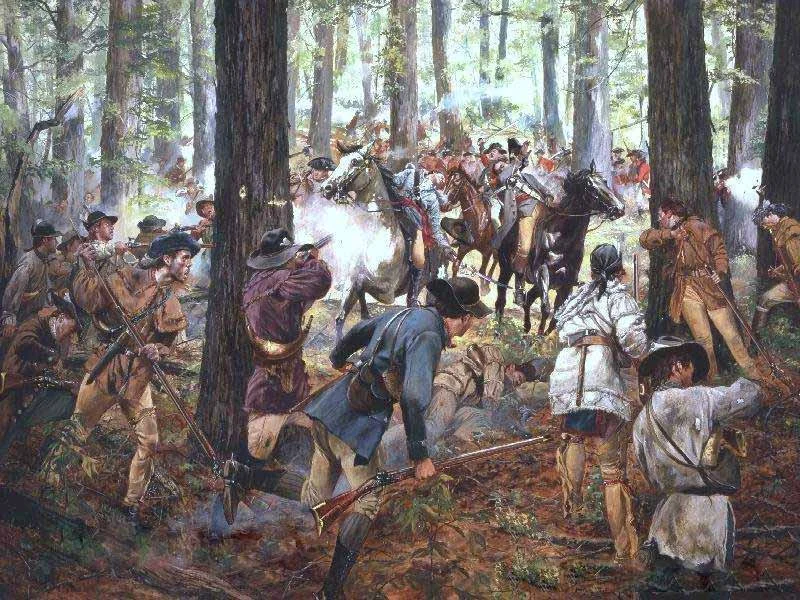
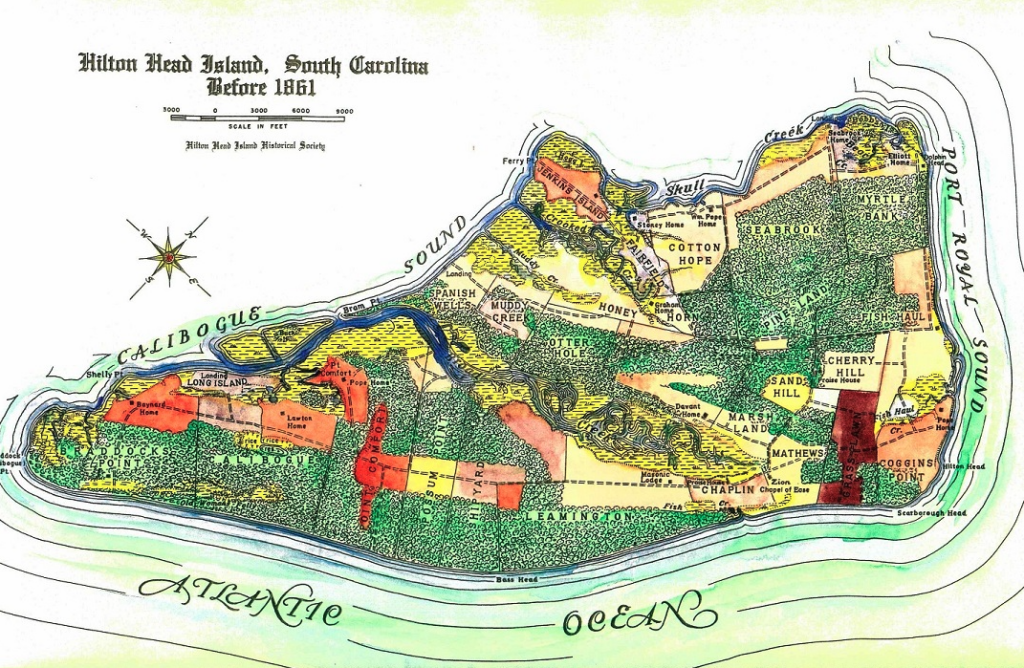
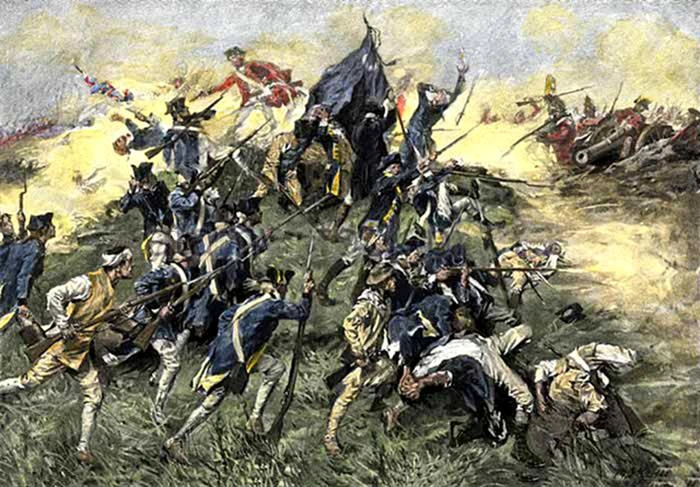
DeTreville’s early Patriot service was marked by decisive action. In February 1779, as commander of Fort Lyttelton on Port Royal Island, he faced a dual British advance by land and sea. Seeing his militia support withdraw and fearing his heavy guns would fall into enemy hands, DeTreville made the tactical decision to spike the cannons and blow up the fort’s magazine. Within 48 hours, he joined General William Moultrie at the Battle of Port Royal Island (Gray’s Hill), where his composure under fire earned him a personal commendation from Moultrie. To the citizens of Beaufort, he was a courageous defender of the district.
The Double Game
The trajectory of DeTreville’s war changed forever with the Fall of Charleston in May 1780. Captured and paroled, DeTreville utilized his “free passage” and his old connection to Cornwallis to enter a world of high-stakes espionage. British records reveal that by June 1780, he was acting as a high-level spy for the Crown, providing Cornwallis with precise intelligence on Continental troop movements in North Carolina.
His reports were devastatingly accurate, identifying American commanders and predicting the “Indian method” of flank-piercing guerrilla warfare that the British would soon face. Yet, DeTreville continued to move among Patriot leaders, even carrying letters for Governor Abner Nash. Whether he was a desperate opportunist, a coerced prisoner, or a rare “double agent” remains a subject of historical debate. By January 1781, General Nathanael Greene ordered his arrest for treason, but DeTreville narrowly escaped the gallows, fleeing to the safety of British-occupied Charleston.
An Uneasy Peace
In a move that baffled his contemporaries, DeTreville chose not to flee with the British when they evacuated Charleston in 1782. He remained in South Carolina to face the “unjust censure” of a public that viewed him with deep suspicion. His post-war years were defined by bitter public quarrels, accusations of treachery in the press, and near-miss duels at the City Tavern.
DeTreville died in 1791 at the age of 49, possibly from lingering wounds sustained in his many confrontations. While his reputation was permanently stained by his work for Cornwallis, his family eventually found reintegration; his grandson, Richard DeTreville, rose to become the Lieutenant Governor of South Carolina. His life stands as a testament to the messy, agonizing choices faced by the “Revolutionary Generation” in a land where the victor was never certain.